

Designing for Belonging
Published in ATÖLYE Insights · 4 min read · September 9, 2025
Reimagining Urban Spaces Through Community
What makes a city feel like home?
Not just familiar streets or iconic skylines, but a feeling. A sense that you’re welcome. That you matter.
In our Community-Powered Dialogues session, Designing for Belonging (that took place in February of this year), we explored this question with leading voices from across the Middle East. Together, we unpacked how urban design, when driven by community, not just capital, can become a powerful tool for connection, equity, and identity.
“We don’t design spaces just for people to use,” said Güray Oskay, Director of Architecture at ATÖLYE. “We design them as systems that shape how people live, relate, and evolve.”
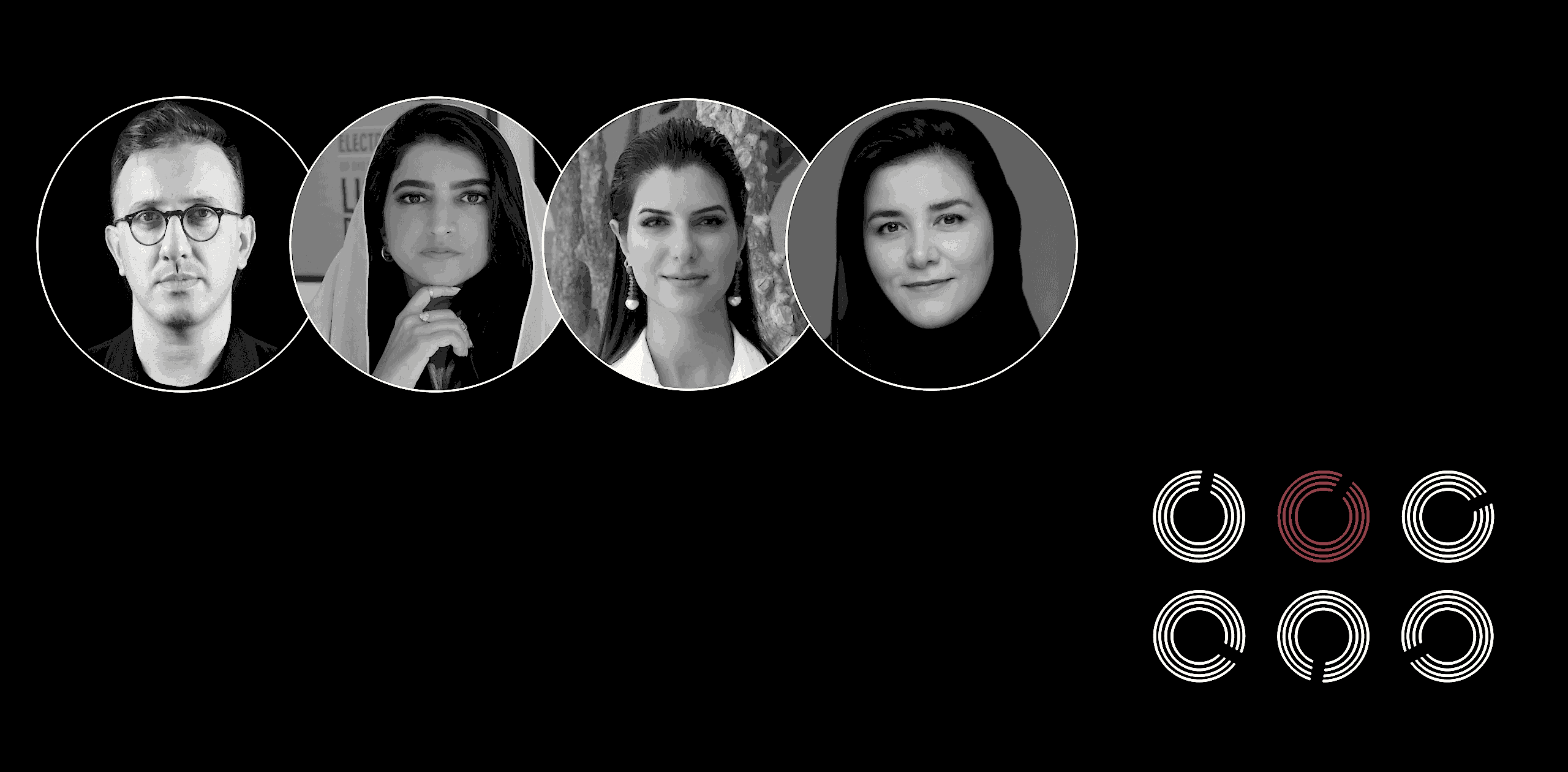
The conversation, moderated by Güray, brought together:
- Dr. Alamira Reem Al Hashimi – Urban strategist, author, and GM of M_39
- Dr. Sumayah Al-Solaiman – CEO of the Architecture & Design Commission at the Ministry of Culture, KSA
- Fatma Al Khayat – Co-founder of Arkat, an urban planning firm pioneering human-centered design in the region
Across perspectives and disciplines, a shared vision emerged: to move beyond spectacle, toward spaces of soul.
From Impressive to Intimate
While many cities in the region continue to evolve at staggering speed, the panelists challenged a common pattern: a focus on scale over sensitivity.
“Cities here are impressive,” Fatma noted. “But they don’t always feel human-centric. We have massive plazas, wide roads, tall towers – but where is the shade? The walkability? The intimacy?”
Too often, public spaces are treated as backdrops – visually striking, but emotionally sterile. Aesthetic statements take priority over the everyday experiences of residents. The result? Urban environments that look polished on paper but fall short in practice.
The root of the problem, as all three speakers emphasized, lies in a top-down development mindset: one that excludes communities from shaping the very spaces they live in.
Designing With, Not For
The conversation returned again and again to a central shift: design as co-authorship.
“Spaces feel alive when people shape them,” said Reem. “We’re not designing theaters for spectators. These should be playgrounds of participation.”
This reframing calls for a more inclusive design process – one that goes beyond surveys and signage to include deep listening, long-term engagement, and an openness to the unpredictable.
At M_39, Reem cultivates this through everyday rituals: open town halls, informal street interviews, even snack requests from residents. At Arkat, Fatma’s team combines ethnographic research with scenario workshops, inviting people to contribute not just feedback, but imagination.
It’s not just a matter of ethics. It’s a question of impact.
Belonging as Economic Strategy
A striking insight emerged from the discussion: designing for belonging isn’t a luxury – it’s a strategic advantage.
“Community-driven planning boosts ROI,” said Fatma. “It increases foot traffic, reduces vacancy, and creates long-term vibrancy.”
Whereas sterile mega-developments often struggle with low engagement and high maintenance, people-centered spaces become hubs of local activation – economically, socially, and culturally.
In other words: connection creates value. And belonging pays dividends.
Embedding Change Within Systems
Dr. Sumayah offered a systems-level lens, highlighting the policy shifts needed to embed belonging at scale.
As CEO of Saudi Arabia’s Architecture and Design Commission, she’s leading efforts to distribute Urban Transformation Manuals – practical frameworks that empower municipalities to engage residents more meaningfully and measure outcomes beyond the physical: relationships, rituals, and relevance.
“Too often we design for one point in time – when the project opens,” Dr. Sumayah shared. “But we need to plan for how spaces evolve, how they’re used, and how they’re remembered.”
This approach invites a new kind of design brief, one that includes not just what’s built, but how people will belong.
Resisting Sameness, Multiplying Voices
As the session came to a close, the conversation turned toward a quieter threat: monoculture. The tendency for cities to converge toward sameness: same franchises, same plazas, same design language – stripping away what makes a place feel local.
“Sameness is the enemy of belonging,” said Reem. “We must create room for plurality, play, and purpose.”
That means protecting independent businesses. Creating space for cultural rituals. Designing for joy, informality, and surprise. Because true urban vibrancy doesn’t come from uniformity, it comes from difference.
The Invitation
At ATÖLYE, we believe spaces are not neutral. They’re living systems -mirrors of culture, trust, and aspiration.
Our spatial strategy and design work starts with a simple truth: communities are the true experts of place. And when we center them, not just consult them, we don’t just build better environments. We unlock the potential of cities to foster connection, care, and long-term resilience.
→ Curious how your next project could be rooted in belonging? Let’s talk.
→ Explore the full Community-Powered Dialogues series at ebrulitek.top/dialogues